Ever wondered how your favourite restaurant meal arrives at your door still hot and fresh, faster than ever? The answer is a rider app. It’s the invisible layer connecting hungry customers, busy kitchens, and delivery riders in real time. And if you run a restaurant without one today, you’re leaving serious revenue on the table.
In this guide, we’ll break down what this app actually does, which features matter most, and how it can genuinely change the way your restaurant operates.
What is a Food Delivery Rider App?
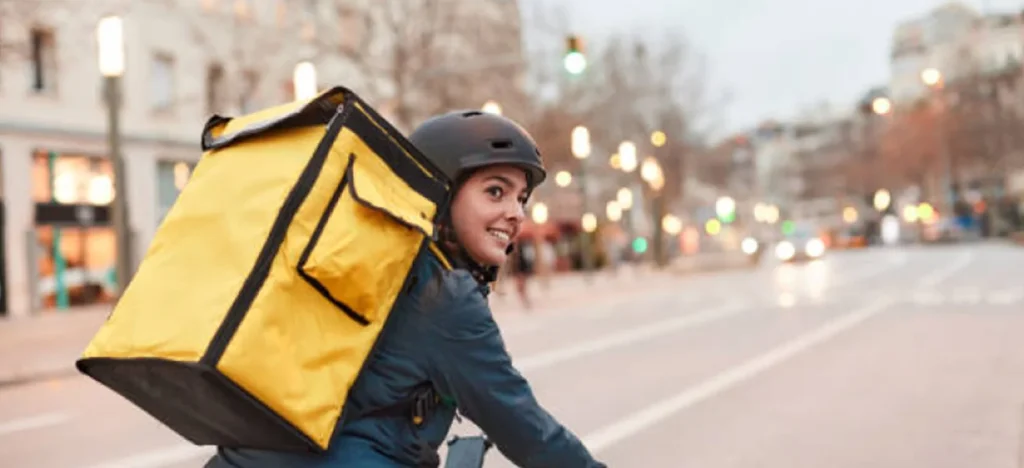
A rider app is a mobile application used by delivery riders to receive, manage, and complete orders on the go. It can be considered a command center in the rider’s pocket that shows which orders to pick up and the fastest route to take, and lets them update customers at every step.
But it’s not just for riders. The best rider delivery apps are three-sided platforms serving customers, delivery riders, and restaurant owners all at once. When all three sides work smoothly together, the result is a seamless delivery experience that keeps customers coming back.
Moreover, the global food delivery market growth has made rider software more critical for restaurants than ever. However, third-party delivery apps typically charge 15-30% commission per order, which restaurants can save by developing their own app for riders.
Why Does Your Restaurant Need A Rider App?
Because your customers expect it.
People now order food the same way they book a taxi. They want to see exactly where their order is, get a realistic ETA, and pay without friction.
Restaurant food delivery boy apps make all of that possible, reducing the need to coordinate manually between your kitchen staff and your riders.
Here’s what changes when you adopt one:
- No more missed orders: Delivery boys receive new orders instantly with push notifications
- No more confusing calls: In-app delivery status handles any delivery-specific instructions
- No more guesswork: Real-time GPS tracking keeps customers informed automatically
- No more manual coordination: Order dispatch happens automatically through the system
The COVID-19 pandemic also showed just how essential delivery infrastructure really is. Restaurants with a proper deliveryman app were able to pivot to full delivery within days.
Key Features Every Rider App Must Have
Not all apps are built the same. Here’s what separates a basic app from one that actually improves your operations.
For Food Delivery Riders
-
Simple Registration and Profile Management
Riders should be able to sign up in under two minutes, ideally with a social login option, and manage their profile, vehicle details, and documents right from the app. Document verification and background check uploads should all happen in the same place.
-
Online/Offline Status Toggle
This feature has a big impact. Riders can go offline when unavailable, preventing unnecessary order assignments and cancellations. It keeps the whole system running cleanly.
-
Smart Route Optimisation
The rider enters a delivery address, and the app suggests the fastest route based on real-time traffic. The best systems handle multi-stop routing automatically. AI-powered route optimisation can also reduce delivery times by 30%.
-
Order Acceptance and Batch Deliveries
Food delivery riders can see incoming orders, accept or reject based on proximity, and handle multiple deliveries in one trip. This increases earnings for riders and reduces delivery costs for you.
-
Proof of Delivery
Riders take a photo at the drop-off point and upload it to the app. This protects both the rider and your restaurant from false claims. One-tap delivery status updates keep everyone in the loop.
-
In-App Chat with Customers
Customers can send specific delivery instructions directly through the app. It reduces confusion and makes contactless delivery genuinely contactless.
-
Earnings & Payment History
Accurate earning summaries, commission breakdowns, and delivery counts help riders trust the system. Performance-based incentives keep them motivated.
For Restaurant Owners
-
Order Management Dashboard
It offers a live view of all incoming, in-progress, and completed orders. Auto-accept settings, preparation time estimates, and priority queuing make your kitchen run more smoothly during peak hours.
-
Menu Control in Real Time
They can update the menu instantly from the dashboard. Real-time availability management prevents the nightmare of customers ordering items you can’t fulfil.
-
Analytics and Reporting
Good delivery driver apps come with comprehensive dashboards showing sales trends, peak hours, most popular items, and customer demographics. This data helps you make smarter decisions about staffing, inventory, and promotions.
-
POS System Integration
A proper driver app integrates directly with your existing restaurant POS system. Orders from the delivery app flow straight into the kitchen display: no manual re-entry, no errors.
For Customers
-
Multiple Payment Options
The more payment methods you accept, the fewer abandoned carts you’ll see. A strong rider delivery app supports cash on delivery and digital payment methods, covering every type of customer.
-
Live Order Tracking with ETA
Real-time GPS tracking with an estimated arrival time is the single biggest driver of customer satisfaction in food delivery. It reduces anxiety and inbound calls to zero.
-
Ratings and Reviews
Customers can rate food delivery riders and leave feedback after each delivery. Honest ratings help you identify your best riders and address service issues early.
The Benefits of Using a Rider System (Beyond the Obvious)
Most people think of a rider delivery app as just a logistics tool. However, the real advantages go much further.
You Reach Customers Who’d Never Come In
There are people within 10 kilometres of your restaurant who’ve never visited, not because they don’t want to, but because the trip isn’t worth it for a weeknight dinner. An app with proper dispatch and optimised routing extends your delivery radius without adding extra riders or cost.
Those far-out customers also tend to stick around. They don’t have three competitors on their street. If your food and delivery system is good, they order every week, and they tell their neighbours.
Errors Stop Happening at Every Handoff
Most delivery mistakes aren’t anyone’s fault; they’re coordination failures. A misheard address on the phone. A missed ticket during a rush. A rider who wasn’t told the order was running late.
When orders move through a single connected system, from customer to kitchen to rider in writing, those gaps disappear. Nobody’s guessing. The right information is already on the screen before anyone moves. Fewer errors mean fewer refunds, less wasted food, and a noticeably calmer kitchen.
Every Order Tells You Something Useful
After a few months of running a delivery driver app, patterns show up. Which dishes get reordered most often? Which neighbourhoods order every weekend? Which items have the highest complaint rate? Which delivery zones are actually worth the distance?
On a third-party platform, that data belongs to them. On your own app, it’s yours, and over time it drives smarter decisions about your menu, your promotions, and whether a second location even makes sense.
You Stop Paying Commission on Every Order
Third-party platforms take 15–30% per order. On a tight-margin night, that’s the difference between profit and breaking even. Your own rider system has upfront and maintenance costs, but once it’s running, that commission stays in your business.
You also own the customer relationship. On Foodpanda, the customer sees you as one option among dozens and gets promotions from your competitors. On your own app, you can offer loyalty discounts, send new dish notifications, and build a direct relationship that actually means something.
Riders Deliver More Without Burning Out
A rider finishing one drop-off and already having the next queued, address loaded, route calculated, and customer notified doesn’t waste five minutes figuring out what comes next. Across a full shift, those gaps add up to a meaningful number of extra deliveries.
Batch delivery pushes this further. Grouping nearby orders into a single optimised trip means more ground covered, lower fuel cost per delivery, and riders who earn more without working harder. That last part matters: good riders are hard to find, and giving them a tool that makes their day easier is one of the better ways to keep them.
Late Deliveries Stop Being a Weekly Complaint
Late deliveries are the number one reason customers don’t reorder. One 70-minute wait is often enough to lose someone for good. The usual causes, like a rider taking the wrong route, a kitchen delay that nobody communicated, and an address that got confused, are all coordination problems. And that’s exactly what a food delivery boy app fixes.
Real-time route optimisation handles the routing. Live kitchen updates mean riders know about delays before they arrive. And customers watching their order move on a map are far more patient than customers sitting in the dark. Same wait time, completely different experience, and far fewer angry messages.
How to Get the Right Rider System for Your Restaurant
If you’re considering building or adopting a food delivery boy app, here’s a practical framework:
- Define your delivery model first: Are you using in-house riders, outsourced drivers, or a hybrid? The answer shapes which features you need most.
- Prioritise integration: Make sure the app integrates with your existing POS and payment systems before anything else.
- Think in three panels: The best solutions include a customer app, a restaurant dashboard, and a rider software as separate but connected interfaces.
- Check for local payment support: For Pakistani restaurants, JazzCash and Easypaisa integration isn’t optional; it’s essential.
- Maintenance plan: An app is not a one-time build. Regular updates and feature additions are part of the ongoing investment.
A basic app can typically be ready in 2–3 months, while a fully customised solution with advanced integrations takes 4–6 months.
Closing Thoughts
A rider app is no longer a nice-to-have for restaurants; it’s the infrastructure that keeps modern food businesses running. From route optimisation and real-time tracking to proof of delivery and transparent earnings, the right app transforms your delivery operation from a source of stress into a genuine competitive advantage.
If you’re ready to take the next step, CherryBerry RMS offers a fully customisable restaurant delivery rider solution built specifically for restaurants in Pakistan. From the customer app to the rider interface to the restaurant dashboard, everything works out of the box, and the team will tailor it to your exact needs.
Ready to get started? Contact us today.
Frequently Asked Questions
What is the difference between a rider and a delivery app?
A food delivery app is what the customer uses to browse and order. A rider app is what the delivery rider uses to receive, navigate, and complete that order. They work in tandem; one without the other doesn’t function.
Can a small restaurant benefit from a food delivery boy app?
Absolutely. Many of the biggest benefits, like reduced errors, better customer communication, and expanded reach, matter even more for smaller operations where every order counts.
Does a rider system work for grocery and retail delivery too?
Yes. While this guide focuses on restaurant delivery, food delivery boy apps are widely used by grocery stores, pharmacies, and any business that handles last-mile delivery of physical goods.
How much does it cost to build a rider delivery app?
It actually depends on how customised an app you want. A basic white-label solution can be set up at a reasonable price. A fully custom-built app with your own branding and features typically takes 4–6 months and costs significantly more, but you own everything.
Why do restaurants build their own rider system instead of using Foodpanda or Zomato?
Third-party platforms take anywhere from 15% to 30% per order in commission. Over a month, that’s a significant chunk of your revenue gone. Building your own rider system means you keep those margins, own your customer data, and don’t have to play by someone else’s rules.
What’s the most annoying thing about managing delivery riders without an app?
The phone calls. Riders call to confirm the address. Customers call to ask where their food is. Kitchen staff calls riders to check their ETA. A rider system eliminates almost all of that. Once you’ve used one, going back to WhatsApp coordination feels genuinely painful.