Best POS System for Small Business: Top Picks in 2026
Running a small business in 2026 means handling inventory, managing staff, and keeping customers happy — all while protecting your profit margins. That is why choosing the best POS system for small business has become one of the most critical decisions a business owner can make today. The right best POS system for small business can transform daily operational challenges into streamlined, profitable workflows that drive real growth.
According to the National Restaurant Association, restaurants using automated inventory systems save 18–25% in costs within the first year, leading over 50% of restaurants to adopt the technology to save costs.
Let’s explore the top picks for the best POS system for small business in 2026 and the key features that make each one stand out.
Why the Best POS System for Small Business Is Essential in 2026
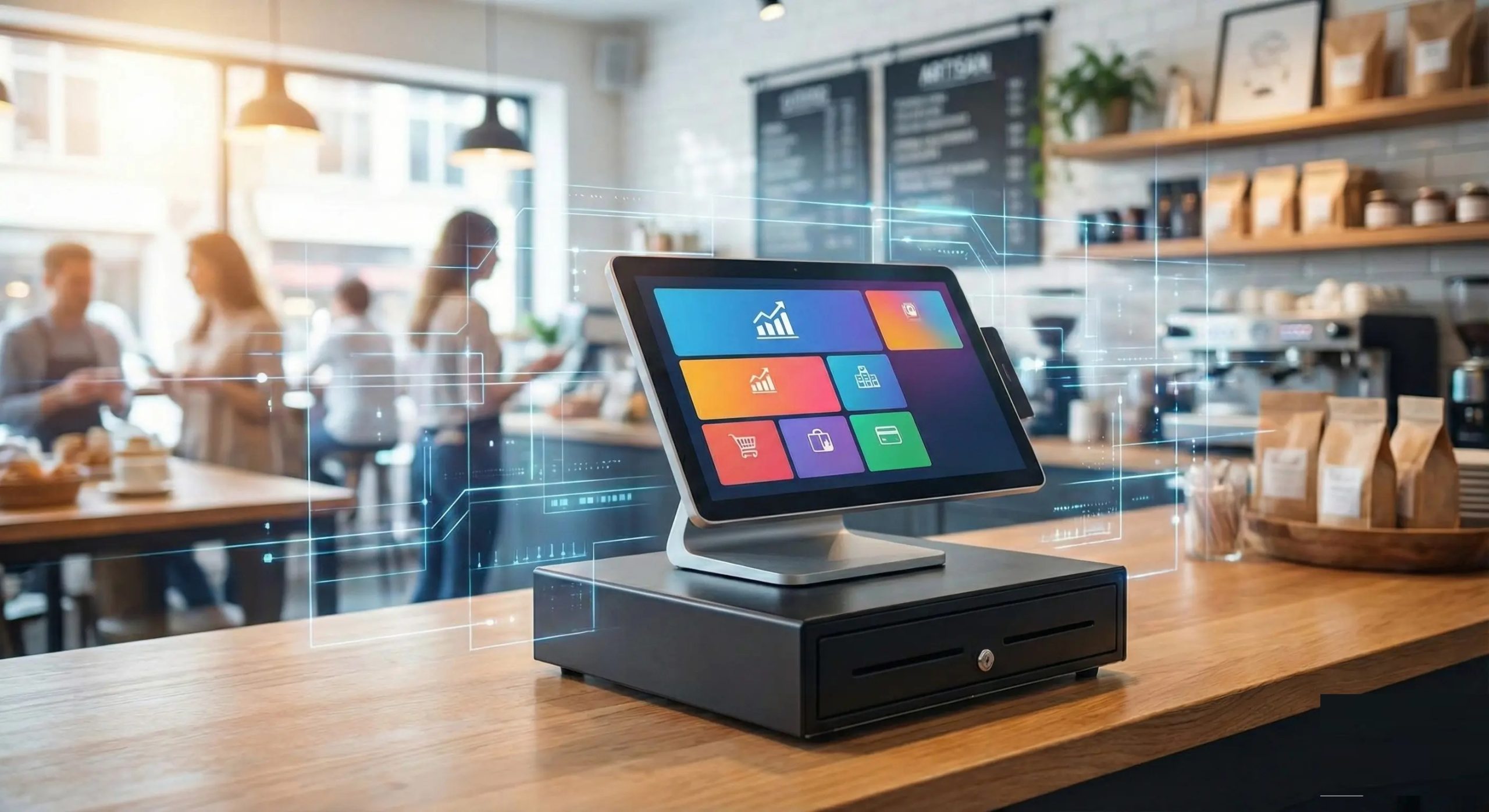
Today’s restaurant POS system functions as your operation’s central nervous system. Beyond processing payments, these cloud-based solutions integrate order management, inventory tracking, kitchen display systems, and real-time reporting into one cohesive platform. Here is why the best POS system for small business matters more than ever in 2026:
Operational Efficiency: Automate time-consuming tasks like stock management and sales tracking. Real-time analytics provide immediate visibility into performance, helping you make data-driven decisions about menu engineering and staffing.
Enhanced Guest Experience: Seamless integration, contactless payments, mobile ordering, and tableside service enable faster service and improved customer satisfaction.
Cost Management: Cloud-based systems operate on affordable monthly subscriptions rather than massive upfront investments, giving you enterprise-grade features at predictable costs.
Top Picks: Best POS System for Small Business in 2026
1. CherryBerry RMS – Best POS System for Small Business (All-in-One Suite)
CherryBerry RMS delivers a comprehensive integrated solution specifically designed for modern restaurant operations, from quick-service to fine dining establishments. For operators who want the best POS system for small business without juggling multiple software subscriptions, CherryBerry RMS is the complete package.
Core Features:
- Unified platform combining POS, kitchen management, and back-office operations
- Advanced table management with real-time floor visualization
- Integrated kitchen display system (KDS) for streamlined order flow
- Recipe costing and ingredient-level inventory tracking for precise food cost control
- Multi-location management with centralized reporting
- Customer loyalty programs with automated marketing campaigns
- Third-party delivery integration
- Comprehensive analytics dashboard for menu performance and profitability
Best For: Full-service restaurants, growing chains, and operators prioritizing complete operational control.
Why It Stands Out: CherryBerry RMS eliminates the need for multiple software subscriptions by providing everything from front-of-house to back-office in one integrated suite. The platform’s recipe-level tracking helps maintain consistent food costs while intelligent scheduling reduces labor expenses.
2. Toast POS – Best POS System for Small Business in Food Service
Toast holds a significant market share and is purpose-built for restaurants of all sizes, from quick-service to fine dining. If you are looking for the best POS system for a small business in the food and beverage sector, Toast is a top contender.
Core Features:
- Kitchen display system integration
- Tableside ordering with handheld devices
- Advanced split checks and tip management
- Offline mode for uninterrupted service
- Multi-location support with centralized control
- Integrated online ordering and delivery
Best For: Dine-in establishments, bars, and growing restaurant chains.
Toast’s specialized technology addresses unique hospitality challenges, from table turnover optimization to labor management and guest relationship building.
3. Square POS – Best POS System for Small Business on a Budget
Square is widely adopted, excelling at balancing simplicity with powerful capabilities for cafés, food trucks, and casual dining. Small businesses seeking the best POS system for small businesses with zero upfront cost consistently rate Square among the top options.
Core Features:
- Free plan with no monthly fees
- Transparent payment processing
- Automatic inventory tracking
- Built-in loyalty programs
- Table management and floor plans
- iPad compatibility for mobile operations
Best For: Small cafés, food trucks, counter-service restaurants.
Square’s Software-as-a-Service model runs efficiently on existing tablets, providing real-time analytics for menu optimization.
4. Lightspeed Restaurant – Best POS System for Small Business That Is Scaling
Lightspeed excels for restaurants scaling their operations with sophisticated analytics. For growing businesses, Lightspeed stands out as the best POS system for small businesses looking to expand to multiple locations.
Core Features:
- Advanced menu engineering and recipe costing
- Multi-venue operations management
- Comprehensive customizable reporting
- Third-party accounting software integration
- Employee scheduling and labor tracking
- Ingredient-level inventory management
Best For: Expanding restaurants and multi-location businesses.
Cloud-based remote management lets you monitor multiple locations from anywhere with real-time synchronization across all touchpoints.
5. Shopify POS – Best POS System for Small Business Selling Online and Offline
Shopify POS seamlessly connects online stores with in-person sales, creating unified commerce experiences across all customer touchpoints. Retailers seeking the best POS system for small businesses that bridges e-commerce and physical retail will find Shopify POS unmatched.
Core Features:
- Native integration with the Shopify e-commerce platform
- Synchronized inventory across online and physical locations
- Unified customer profiles and purchase history
- Buy online, pick up in-store (BOPIS) functionality
- Multi-channel marketing tools
- Automated stock level updates
- PCI compliance is built in for secure transactions
Best For: Businesses with existing Shopify websites, retailers selling both online and offline, and product-based companies.
The omnichannel POS system eliminates data silos, providing complete visibility across all sales channels. This integration proves invaluable for businesses managing complex inventories or offering multiple purchasing options.
Essential Features to Look for in the Best POS System for Small Business
Payment Processing Flexibility
Modern customers expect options. The best POS system for small businesses must support credit cards, mobile wallets (Apple Pay, Google Pay), QR code ordering, and cash to meet every customer preference.
Kitchen Display Systems (KDS)
Replace paper tickets with digital displays that route orders efficiently to prep stations, reduce errors, and improve kitchen communication. KDS integration is essential for any operation beyond basic counter service.
Inventory and Food Cost Management
Effective tracking prevents stockouts while minimizing waste. Essential features include:
- Automated stock depletion based on orders
- Low-stock alerts and reorder notifications
- Ingredient-level tracking for recipe costing
- Vendor management tools
- Real-time inventory updates across locations
Restaurants using real-time tracking experience 37% fewer stockouts and 24% higher customer satisfaction.
Table Management and Floor Plans
Visual floor plans show table status in real-time, optimize server sections, manage reservations, and reduce wait times. Advanced systems integrate with reservation platforms for a seamless guest experience.
Reporting and Analytics
The best POS system for a small business should provide:
- Real-time sales by item, category, and time period
- Labor cost analysis and optimization
- Food cost percentages and profit margins
- Customer traffic patterns
- Menu item performance for engineering decisions
Advanced analytics help optimize pricing strategies and overall operational efficiency.
Cloud-Based vs. On-Premise: Which Is the Best POS System for Small Business?
Modern cloud-based systems dominate today’s market, and for good reason. When evaluating the best POS system for small businesses, cloud-based platforms consistently win on:</span>
Accessibility: Monitor your business from anywhere with an internet connection. Review sales reports, update menus, and manage operations remotely through web-based dashboards or mobile apps.
Affordability: Lower upfront costs with predictable monthly subscriptions. Avoid expensive server hardware and ongoing maintenance fees.
Automatic Updates: Software improvements and security patches deploy automatically, ensuring you always have the latest features without manual intervention.
Scalability: Easily add terminals, locations, or features as your business grows without significant infrastructure investments.
Data Security: Professional hosting providers maintain enterprise-grade security, regular backups, and disaster recovery systems.
When On-Premise Makes Sense
Legacy on-premise systems retain relevance for specific scenarios:
- Locations with unreliable internet connectivity
- Businesses prefer complete data control
- Operations with specialized security requirements
- Companies with existing IT infrastructure investments
However, most modern cloud POS platforms now allow processing transactions locally and syncing when connectivity is restored.
Mobile POS: A Must-Have Feature in the Best POS System for Small Business
Tablet-based systems offer unprecedented flexibility for:
- Tableside ordering and payment processing
- Line busting during peak periods
- Food trucks and pop-up operations
- Curbside pickup and contactless service
Many restaurants globally adopted mobile POS solutions in 2025 as customer expectations for fast, flexible service continue to rise. Any business choosing the best POS system for a small business today should prioritize mobile-ready functionality.</p>
Industry-Specific Considerations When Choosing the Best POS System for Small Business
Restaurant POS System Needs
- Table management and floor plan visualization
- Kitchen display systems for efficient order routing
- Menu engineering and food cost tracking
- Bar tab functionality
- Reservation integration
- Time-based menu variations (breakfast, lunch, dinner)
Retail POS Requirements
- Extensive inventory management with variants (size, color)
- Barcode scanning and label printing
- Customer loyalty programs
- Gift card issuance and tracking
- Multi-store inventory transfers
- Return and exchange processing
- Seasonal pricing adjustments
Service Business Needs
- Appointment scheduling
- Service catalog management
- Staff commission tracking
- Client history and notes
- Package and membership management
- Prepaid service tracking
- Email and SMS appointment reminders
Conclusion: Find the Best POS System for Small Business That Fits Your Goals
The best POS system for small businesses<span style=”font-weight: 400;”> in 2026 combines intuitive usability, comprehensive features, transparent pricing, and reliable support. Cloud-based platforms like CherryBerry RMS lead the industry by understanding restaurant challenges and delivering practical, scalable solutions.
Your ideal system should handle routine tasks automatically while providing insights for strategic decisions. The right POS system for small businesses improves efficiency, enhances guest experiences, and drives profitability through data-driven decision-making.
Ready to transform your small business operations? Explore leading POS systems today and discover how the right technology partner can streamline your daily workflow while positioning you for long-term success.
Frequently Asked Questions About the Best POS System for Small Business
What is the best POS system for small business in 2026?
The best POS system for a small business depends on your specific needs. Leading options include Square POS for its free plan and versatility, Toast POS for restaurant-specific operations, and CherryBerry RMS for comprehensive all-in-one management. Key features to look for include cloud-based accessibility, integrated payment processing, real-time inventory tracking, employee management tools, customer loyalty programs, and robust reporting and analytics.
What is the future of POS systems?
The future of the best POS system for small businesses is moving toward AI-powered analytics for predictive ordering and personalized customer experiences, deeper integration with IoT devices for automated inventory management, enhanced mobile and contactless payment options, and blockchain technology for secure transactions. Cloud-based systems will continue to dominate, with increased focus on omnichannel experiences that seamlessly connect online and offline operations.
What is a next-gen POS system?
Next-gen POS systems combine artificial intelligence, machine learning, and predictive analytics to automate decision-making, from dynamic pricing to inventory forecasting. These systems feature touchless interfaces, biometric authentication, and seamless integration across all business channels, creating a unified ecosystem where payment processing, inventory, customer data, and marketing work together intelligently.
Do I need a cloud-based or on-premise POS system?
Cloud-based POS systems are recommended for most small businesses due to lower costs, automatic updates, remote access, and easier scalability. With 73% of new POS installations choosing cloud deployment in 2025, this model dominates the market. On-premise systems only make sense for locations with unreliable internet or specific security requirements.
What is the difference between a mobile POS and a traditional terminal?
Mobile POS systems operate on tablets or smartphones, offering portability for tableside ordering, food trucks, and events. Traditional fixed terminals provide larger screens, integrated peripherals, and higher processing speeds suitable for high-volume countertop operations. Many businesses use both types depending on their needs.
How do I choose between restaurant-specific and general POS systems?
Choose restaurant-specific POS systems like CherryBerry RMS if you need table management, kitchen display systems, menu engineering, and food cost tracking. General systems work well for quick-service restaurants, cafés, and businesses with simpler needs. Restaurant-specific platforms justify higher costs through specialized features that directly impact profitability.
What level of customer support can I expect from POS providers?
Look for POS providers offering 24/7 customer support through multiple channels, including phone, live chat, and email. Quality support is critical since POS downtime directly impacts revenue. Check provider response times, support availability, knowledge base resources, and onboarding assistance before making a commitment.
